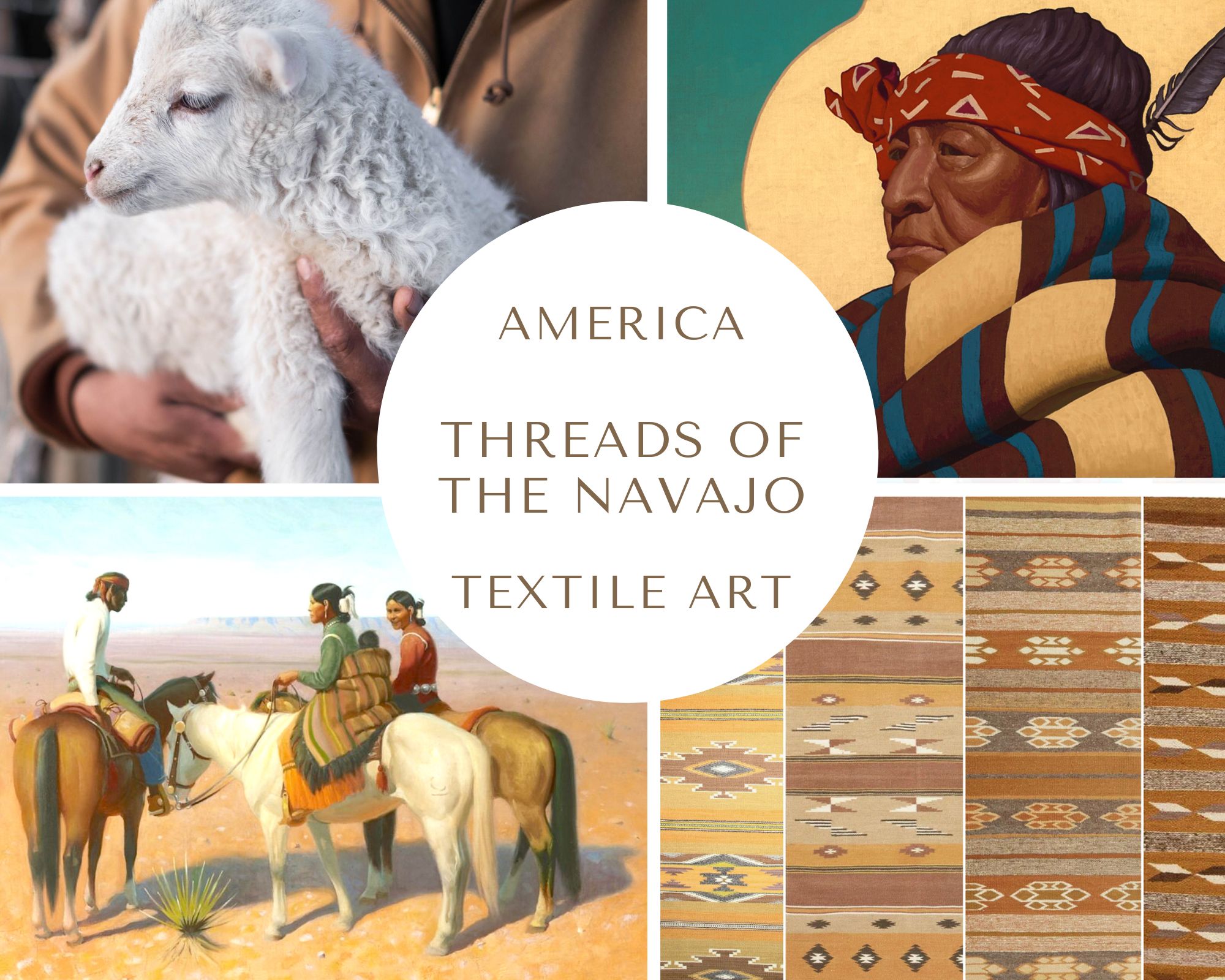
The Hmong Embroidery
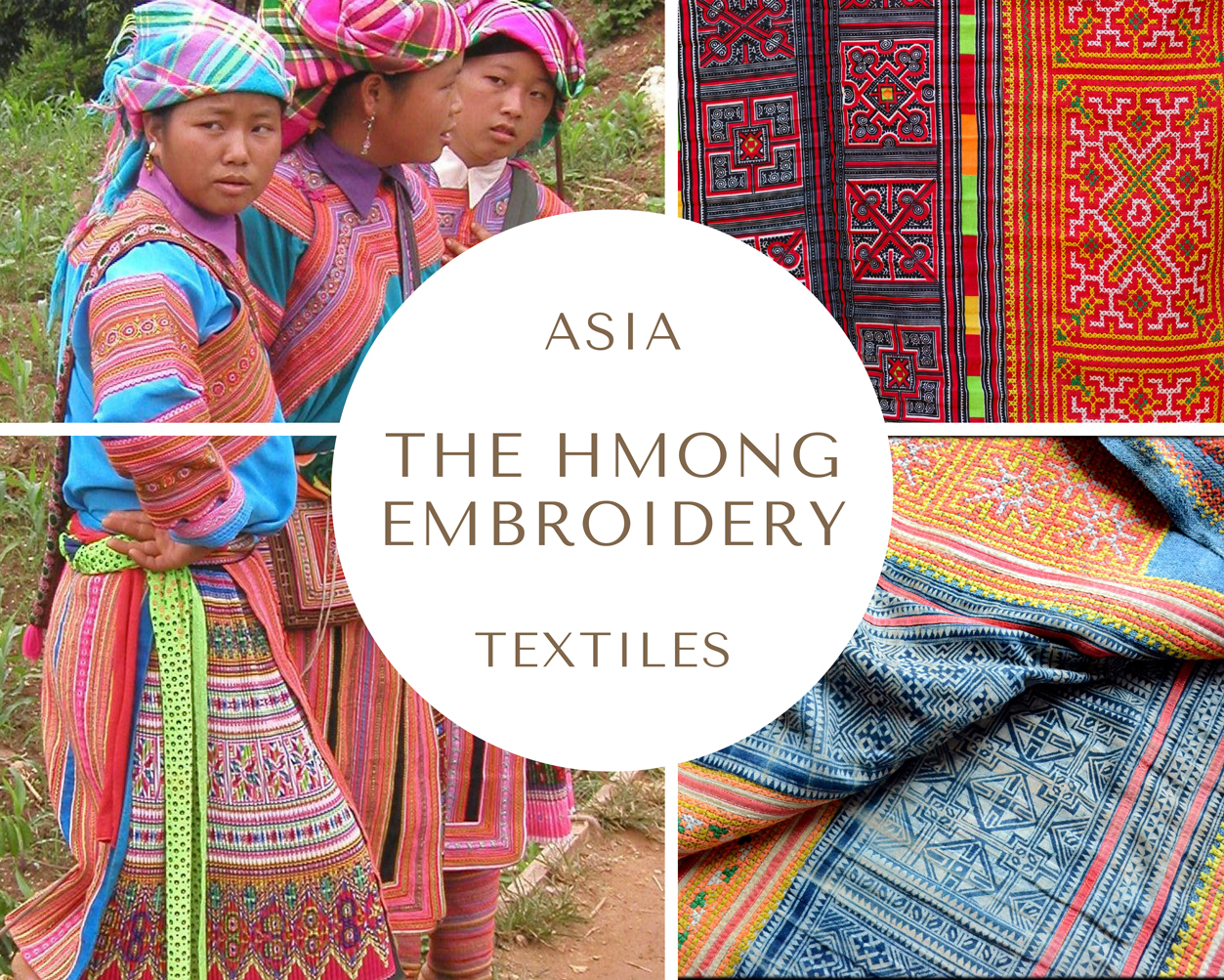
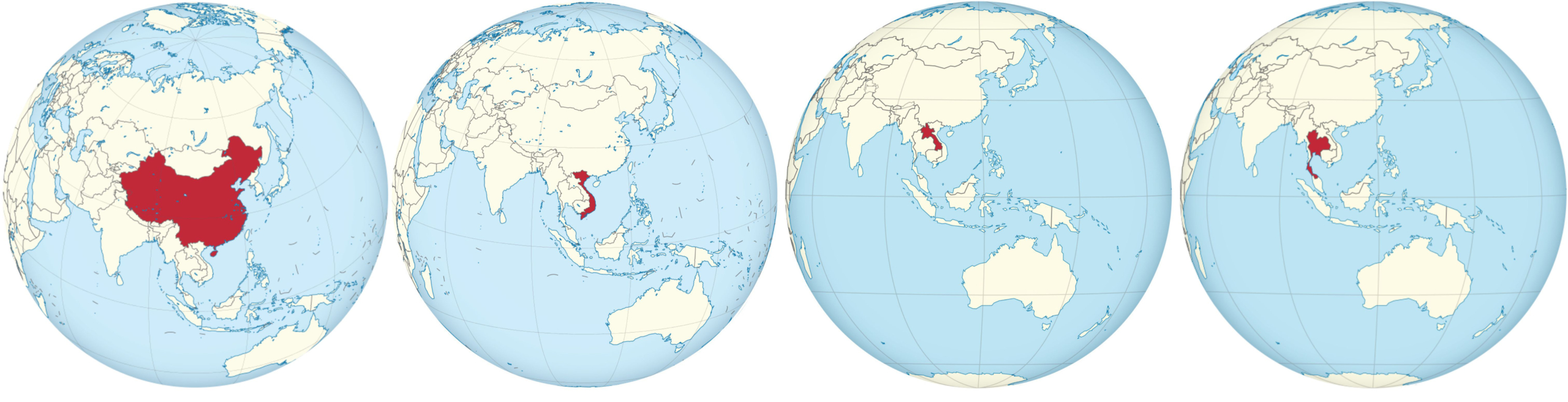
China, Vietnam, Laos, and Thailand on the globe.
Licensed under the Creative Commons Attribution-Share Alike 3.0 Unported.
You may have been surprised to see above the trailer for Gran Torino, the 2008 drama produced and directed by Clint Eastwood, who also starred in it. Not only did the film feature a large American Hmong cast, but it also marked a watershed moment for them: it was the first major Hollywood production to cast Hmong actors and tell a story in which they were central characters. For the first time, American Hmong gained real visibility in Western popular culture — though that visibility came packaged with a set of stereotypes that this series will, in part, work to unpack.
But who are the American Hmong?
Who are the Hmong?
Why did they appear across four countries — China, Vietnam, Laos, Thailand — and leave their mark on each?
Why did a large community of this people move to the U.S. after the end of the Vietnam War? What do the Hmong have to do with the Vietnam War?
I am not asking these questions from a distance. Together we will soon begin a long journey through the art, culture, history and diaspora of the Hmong people, and I will answer all of them. Even the uncomfortable ones (yes, there will be some).
Many years ago — more than 30 and less than 40 — I traveled the length and breadth of North Vietnam with Tinh, a young man from Hanoi who grew up in a Buddhist temple, and Nguyen, a wise driver who managed to save his jeep and my skin by crossing raging rivers and traversing expanses of mud at dizzying gradients. Thanks to Tinh's language skills and gentleness and Nguyen's ability, I entered many homes and exchanged food, clothes, small talk, and drinks I couldn't tell what they contained with Red Hmong, Blue Hmong, Flower Hmong, White Hmong, Yao, Zdao, Black Thai, and Loo people, often straying into Chinese Yunnan. After this trip, I continued to cross worlds and cultures. I still met Hmong people in Laos, and some years later in Thailand. But that first trip — wandering leisurely through breathtaking mountain landscapes and remote Hmong villages hidden by low clouds, between southern Yunnan and northern Vietnam — remains one of the best of my life.
On the new trip we're about to take together, I'll try to convey some of the emotions that overwhelmed me then, and tell you about the history and culture of people who taught me a lot and softened my spiny character forever. And together, we will shed light on some little-known aspects of the Vietnam War.

COMING SOON
If you want to stay updated
write us

Alyx Becerra
OUR SERVICES
DO YOU NEED ANY HELP?
Did you inherit from your aunt a tribal mask, a stool, a vase, a rug, an ethnic item you don’t know what it is?
Did you find in a trunk an ethnic mysterious item you don’t even know how to describe?
Would you like to know if it’s worth something or is a worthless souvenir?
Would you like to know what it is exactly and if / how / where you might sell it?